

Chưa có sản phẩm trong giỏ hàng.
Choosing the right PPE clothing is an important step for any business aiming to ensure worker safety, maintain compliance, and support productivity. Across industries such as construction, manufacturing, logistics, and industrial services, appropriate protective clothing plays a key role in reducing workplace risks while helping employees feel more confident in their daily tasks.
Rather than being just a uniform, PPE clothing is part of a broader safety strategy that contributes to a more secure and efficient working environment.
Why Is Choosing the Right PPE Clothing Important?
PPE clothing is designed to protect workers from a variety of potential hazards, including:
- Heat and flames
- Chemical exposure
- Dust and airborne particles
- Electrical risks
- Mechanical injuries
- Low visibility in high-risk areas
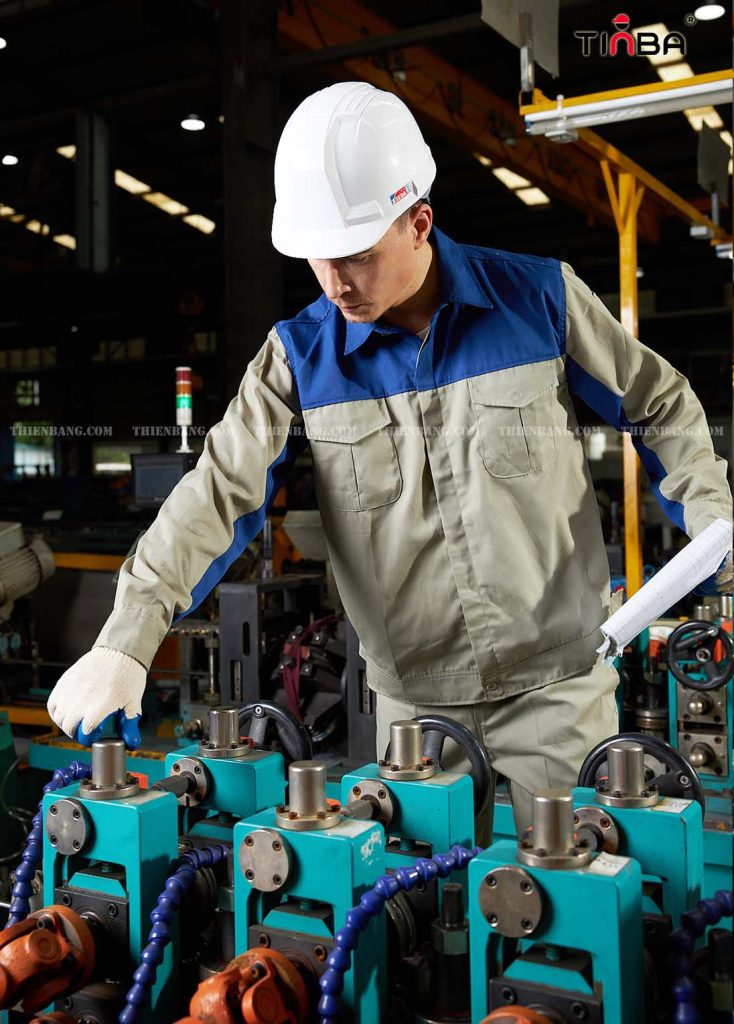
Selecting the right type of PPE clothing can help minimize accidents, support compliance with safety regulations, and maintain a professional working environment.
How to Choose the Right PPE Clothing
1. Identify Workplace Hazards
The first step is to assess the specific risks present in your working environment.
For example:
- Construction sites often require high-visibility clothing and durable fabrics
- Manufacturing environments may need flame-resistant or anti-static garments
- Chemical-related workplaces require protective, splash-resistant materials
- Logistics and warehouse operations benefit from lightweight and breathable uniforms
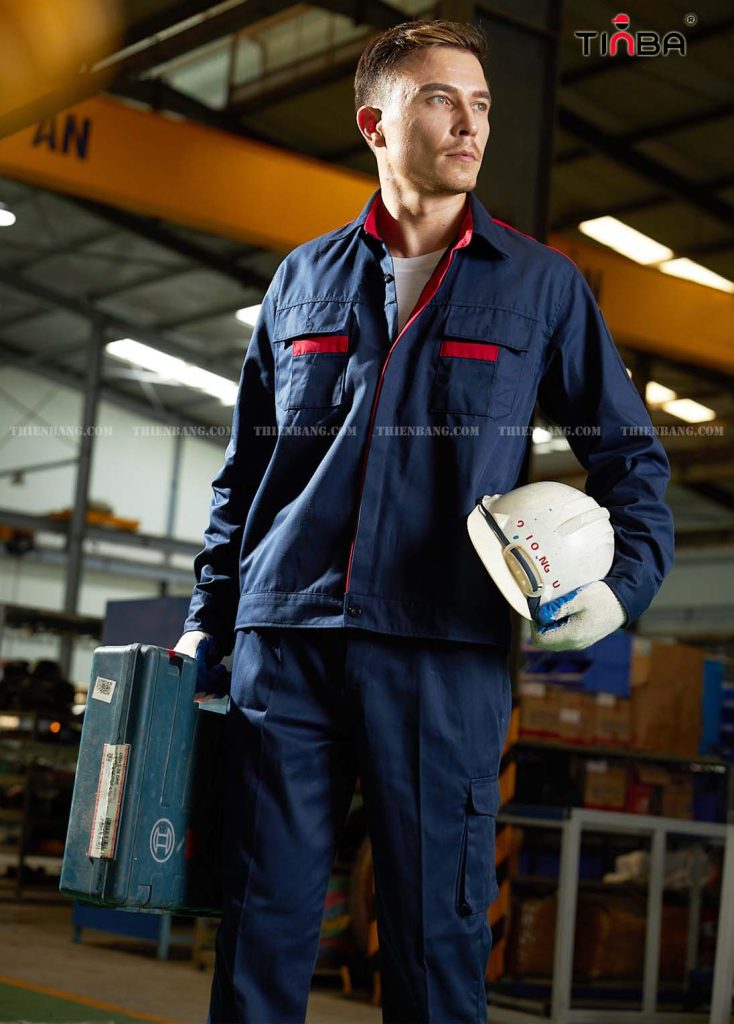
Understanding these hazards is essential for selecting appropriate PPE clothing.
2. Prioritize Safety Standards and Compliance
PPE clothing should meet recognized safety standards such as:
- ISO standards
- ANSI requirements
- EN certifications
- Local occupational safety regulations
Compliance with these standards ensures that the protective clothing performs as expected in real working conditions.
3. Choose the Right Material
Different materials offer different levels of protection and comfort:
- Cotton blends provide breathability and comfort
- Durable industrial fabrics (such as Pangrim) offer strength and long-term use
- Flame-resistant materials are suitable for high-temperature environments
- Waterproof or chemical-resistant coatings are needed in specialized industries
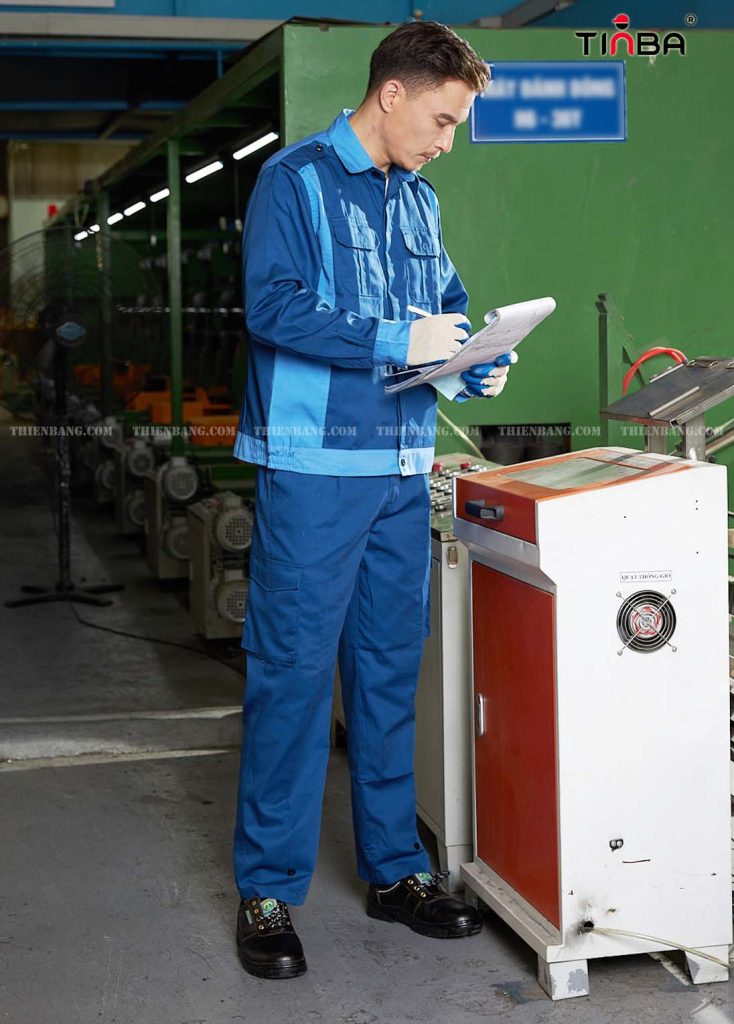
Material selection directly affects durability, safety, and user comfort.
4. Focus on Comfort and Fit
PPE clothing should allow workers to move freely and perform tasks efficiently.
Important factors include:
- Breathable fabrics
- Proper sizing
- Flexible construction
- Lightweight design
Comfortable PPE increases the likelihood that workers will wear it correctly throughout their shift.
5. Consider Professional Appearance and Consistency
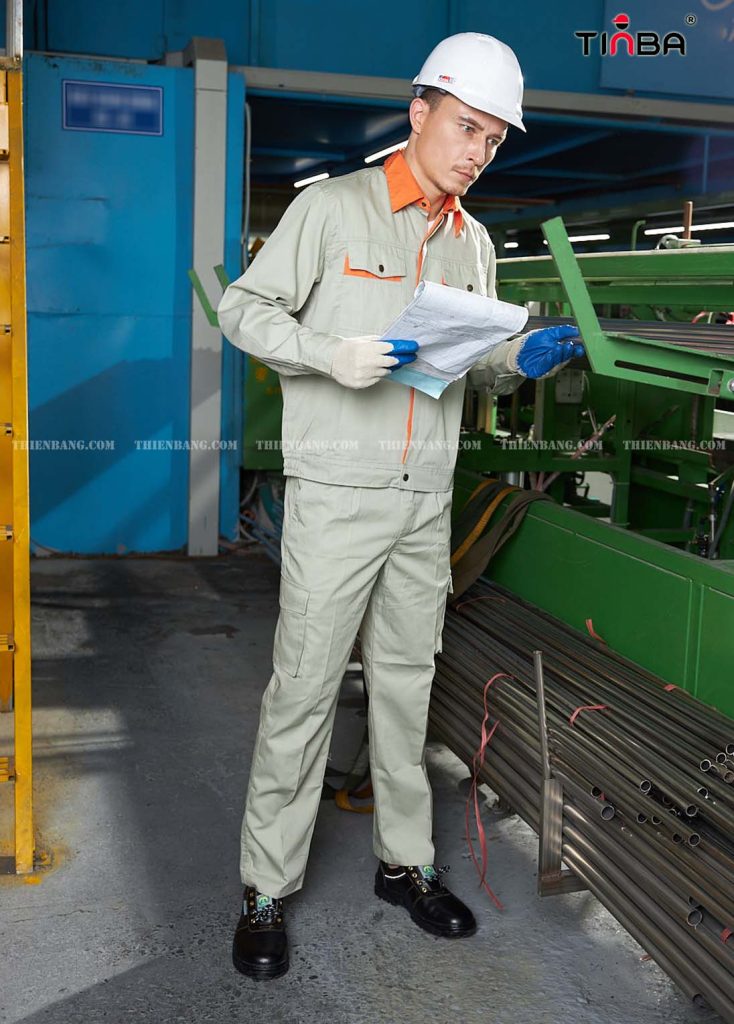
In addition to safety, PPE clothing can contribute to a consistent and organized workplace appearance.
Standardized uniforms can:
- Improve team coordination
- Create a sense of professionalism
- Support clear identification of roles in the workplace
Common Mistakes to Avoid
When selecting PPE clothing, some common issues include:
- Choosing products based only on price
- Overlooking safety certifications
- Selecting uncomfortable designs
- Using the same PPE for all job roles without considering differences
- Ignoring durability and long-term maintenance
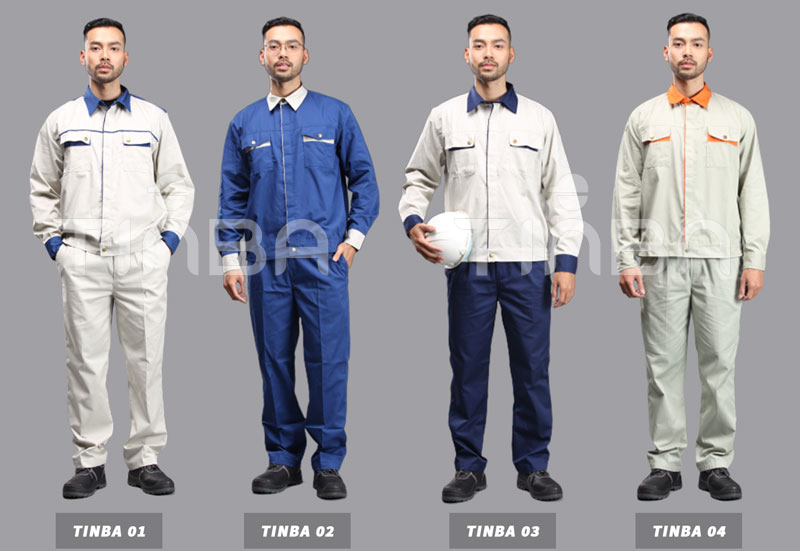
Avoiding these mistakes helps ensure better protection and cost efficiency over time.
Why Businesses Choose Thien Bang for PPE Clothing
Thien Bang provides reliable PPE clothing solutions designed for diverse industries. Our products focus on:
- High-quality materials
- Safety compliance
- Custom manufacturing
- Comfortable design
- Long-term durability
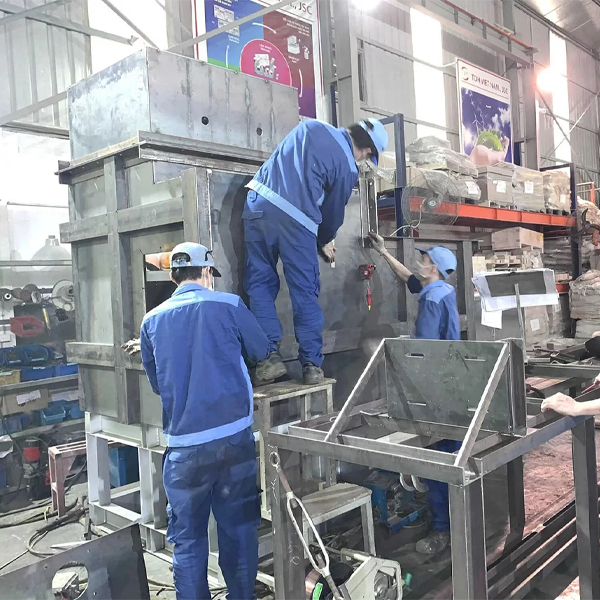
We help businesses protect their workforce while maintaining operational efficiency and professional appearance.
