

Chưa có sản phẩm trong giỏ hàng.
In today’s industrial environment, safety is a top priority for every business. Understanding PPE Clothing Standards is essential to ensure workers are properly protected and companies remain compliant with international safety regulations. This guide explains the most important standards, including ISO, ANSI, and other global requirements.
What Are PPE Clothing Standards?
PPE Clothing Standards refer to a set of regulations and guidelines that define the quality, performance, and safety requirements of protective clothing used in workplaces.
👉 These standards ensure that PPE clothing:
- Protects against hazards (heat, chemicals, electricity, etc.)
- Meets durability and performance criteria
- Complies with safety regulations

Why Are PPE Clothing Standards Important?
Following PPE Clothing Standards is not just about compliance—it directly impacts worker safety and business operations.
Key benefits:
- Reduces workplace accidents
- Ensures legal compliance
- Improves worker confidence and productivity
- Enhances company reputation
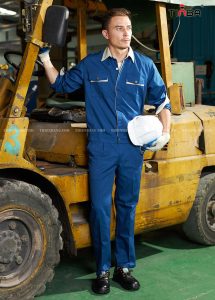
Key International PPE Clothing Standards
1. ISO Standards (International Organization for Standardization)
ISO develops globally recognized standards for protective clothing.
Common examples:
- ISO 13688 – General requirements for protective clothing
- ISO 11612 – Protection against heat and flame
- ISO 20471 – High-visibility clothing
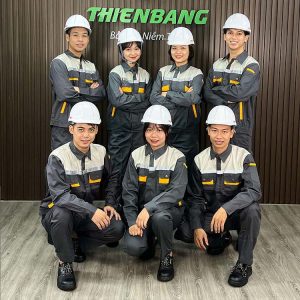
👉 ISO standards are widely accepted across international markets.
2. ANSI Standards (American National Standards Institute)
ANSI focuses on safety standards mainly used in the United States.
Key standard:
- ANSI/ISEA 107 – High-visibility safety apparel
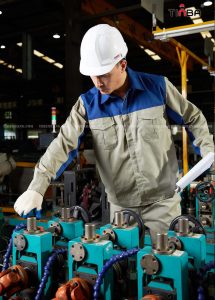
👉 ANSI standards are commonly required for projects involving U.S. partners or companies.
3. Other Global Standards
In addition to ISO and ANSI, there are other important PPE Clothing Standards worldwide:
- EN Standards (Europe) – such as EN ISO 20471
- NFPA (USA) – fire-resistant clothing standards
- AS/NZS (Australia/New Zealand) – regional safety requirements
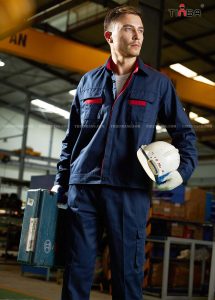
How to Choose PPE That Meets Standards
To ensure compliance with PPE Clothing Standards, businesses should:
- Check product certifications (ISO, ANSI, EN, etc.)
- Choose materials suitable for specific hazards
- Work with reliable manufacturers or suppliers
- Ensure proper sizing and comfort for workers

Common Mistakes to Avoid
Many companies fail to fully comply with PPE Clothing Standards due to:
- Choosing low-cost products without certification
- Ignoring industry-specific requirements
- Not updating PPE according to new regulations
👉 Avoiding these mistakes helps maintain long-term safety and efficiency.
CTA – Get Expert Advice
👉 Need help choosing compliant PPE clothing?
👉 Contact ThienBang for consultation and high-quality protective workwear solutions.
📞 Hotline: 0961.203.270 – 0966.831.477
🌐 Website: https://thienbang.com/
